


Key facts.
- KPMG's 2025 Pulse Survey found roughly 54% of organizations actively deploying AI agents across core operations, separating the scalers from the stuck. source
- Veracode's 2025 report found about 45% of AI-generated code carried security flaws, a cost the organizations that scaled addressed with verification the others skipped. source
What do the scalers share?
The organizations that got agents to scale did not get there by luck or by buying a better model. They share a small set of habits. They secured durable sponsorship so the initiative survived attention shifts. They funded the change work, training and process redesign, instead of treating it as an afterthought. And they invested in verification and oversight from the start, which is the habit the Veracode finding most rewards: when nearly half of AI-generated output can be flawed, the teams that built checking into the workflow caught problems the others shipped. The KPMG split, with a little over half actively deploying across core operations, is the visible result of these habits compounding.
The useful thing about a consistent pattern is that you can copy it. The failures the scalers already worked through, the stalled pilots, the silent wrong answers, the resistance, are failures you can skip by adopting the habits up front rather than rediscovering each one. This is not about a unique culture you cannot replicate; it is a repeatable set of moves: sponsor it durably, fund the change, verify the output, redesign the process. The organizations ahead are ahead because they did these, not because they were special.
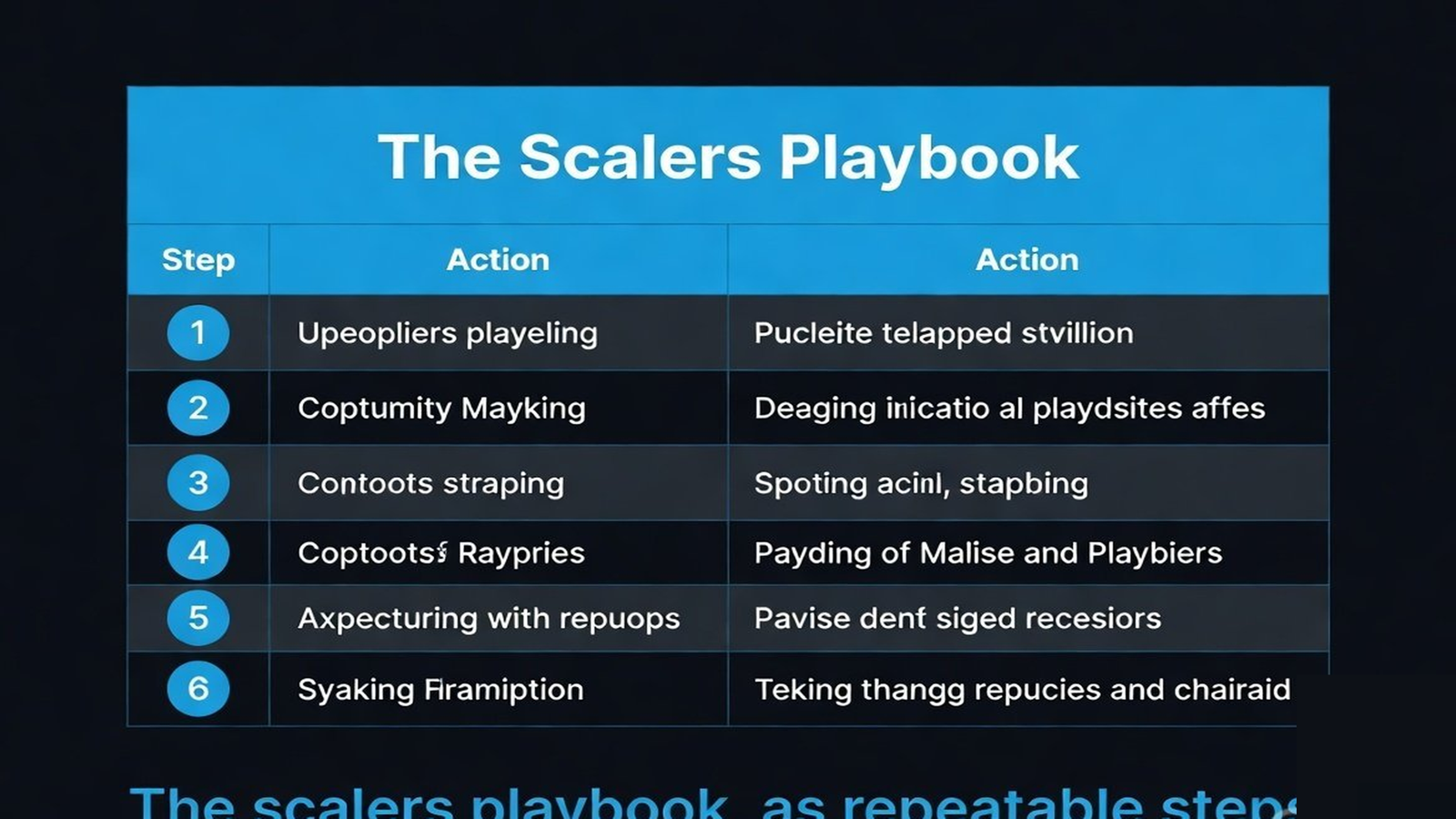
What is the playbook?
| Habit | Stuck organizations | Organizations that scaled |
|---|---|---|
| Sponsorship | One champion | Durable mandate |
| Change work | Afterthought | Funded up front |
| Verification | Skipped | Built into the workflow |
| Process | Agent bolted on | Redesigned around the agent |
Scalers funded verification on purpose; a bigger model does not pay down Veracode's 45% flawed AI code, the bill stragglers settle after. (source)
The verification habit is easier to execute when you can see where the agent actually needs checking, which is what the Pattern Intelligence Layer provides. VibeModel makes reliability legible at the pattern level, so you can copy the scalers' discipline efficiently, putting verification where the agent is weak and letting it run where it is reliable, instead of checking everything or nothing.
Frequently asked questions
Is scaling success just culture?
Mostly it is repeatable habits: durable sponsorship, funded change, verification, process redesign. You can copy those without copying a culture.
Which habit matters most?
Verification is the one the data most rewards, given that around 45% of AI-generated code can be flawed. The scalers built checking in; the stuck skipped it.
How far ahead are the leaders?
KPMG puts roughly 54% actively deploying across core operations, a clear gap from the majority still experimenting.